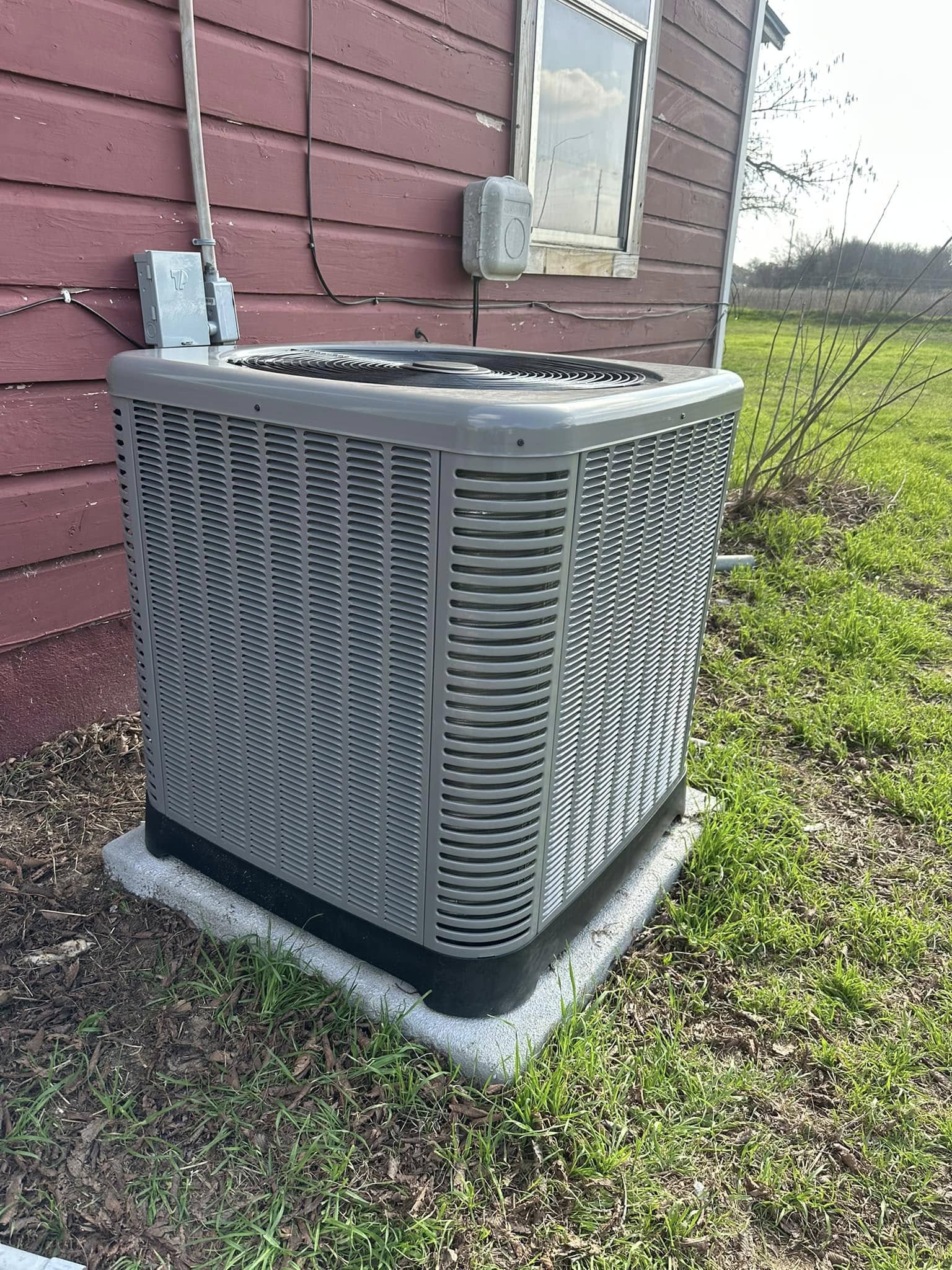
Understanding SEER Ratings: What They Mean for Your HVAC System Mar 25, 2026
SEER, or Seasonal Energy Efficiency Ratio, is a measure of how efficiently an air conditioning system operates over an entire cooling season. Simply put, the SEER rating is the ratio of the cooling output of the system over a typical cooling season, divided by the total energy consumed in watt-hours. In the realm of HVAC systems, a higher SEER rating indicates a more energy-efficient unit.
The importance of a SEER rating lies in its direct correlation to energy usage and cost savings. For many homeowners, energy bills constitute a significant portion of monthly expenses, especially during peak cooling seasons. Units with higher SEER ratings are often more expensive upfront but can result in substantial savings on energy bills over time. This is because they consume less electricity to produce the same cooling power as a less efficient unit.
For instance, upgrading from a unit with a SEER rating of 10 to one with a SEER of 16 can lead to nearly 37% savings in energy consumption. Considering the rising cost of electricity, this significant decrease in energy use can translate into a tangible reduction in utility bills, offering a faster return on investment.
It's also crucial to consider that as of January 1, 2023, the minimum SEER rating for new central air conditioners has been increased to 14 in most parts of the country, following new energy efficiency standards. This means that older units with lower SEER ratings are gradually being phased out, making this an excellent time to consider upgrading.
Beyond cost savings, higher SEER-rated units also offer enhanced environmental benefits. They typically have advanced features such as variable speed motors and innovative technology that minimize environmental impact by using refrigerants that don't deplete the ozone layer.
When deciding on a new HVAC system, it's important to evaluate the SEER rating in conjunction with other factors such as the size of your home, local climate, and your specific comfort needs. At Isaac’s Air, we ensure that our customers have access to the most energy-efficient HVAC solutions tailored to their individual circumstances.
Ultimately, investing in a higher SEER-rated HVAC system is a proactive step toward sustainable living. It not only enhances indoor comfort and air quality but also contributes to long-term savings and a healthier planet. At Isaac’s Air, we take pride in guiding our clients through the process of selecting the perfect HVAC system that meets their efficiency standards and budget.
In conclusion, while the initial investment in a high SEER-rated system might seem daunting, the long-term benefits of improved energy efficiency, reduced utility bills, and environmental responsibility make it a wise choice for any homeowner. Understanding SEER ratings is key to making informed decisions about your HVAC system, and our team at Isaac’s Air is always here to help you navigate these options, ensuring you enjoy lasting comfort in your home year-round.
/filters:no_upscale()/filters:format(webp)/media/c886a136-f909-4bf9-94a2-14b7cc3a9c47.jpeg)