The Science of HVAC: How Your System Regulates Temperature and Energy Apr 07, 2026
To begin with, HVAC systems are designed to optimize the indoor climate through a process of heating, ventilation, and air conditioning. At the heart of this process is the thermostat, a key component that monitors the temperature indoors and signals the system to adjust accordingly. Whether it’s a chilly winter night or a sweltering summer day, your thermostat is essential in maintaining a comfortable environment by triggering the furnace or air conditioner.
The heating process typically involves either a furnace or a heat pump. Furnaces work by burning fuel, which creates heat that is then distributed throughout the space via ducts. On the other hand, heat pumps draw heat from outside and transfer it indoors, a process that is both energy-efficient and environmentally friendly. Understanding your specific heating mechanism can help you make informed decisions about energy usage and maintenance.
Ventilation is another critical aspect of HVAC systems. It involves the exchange of indoor and outdoor air to remove moisture, odors, smoke, heat, dust, airborne bacteria, and carbon dioxide. This not only improves indoor air quality but also helps control humidity levels, which can be crucial for comfort and health. A well-maintained ventilation system ensures that your air quality remains high and prevents your HVAC system from overworking.
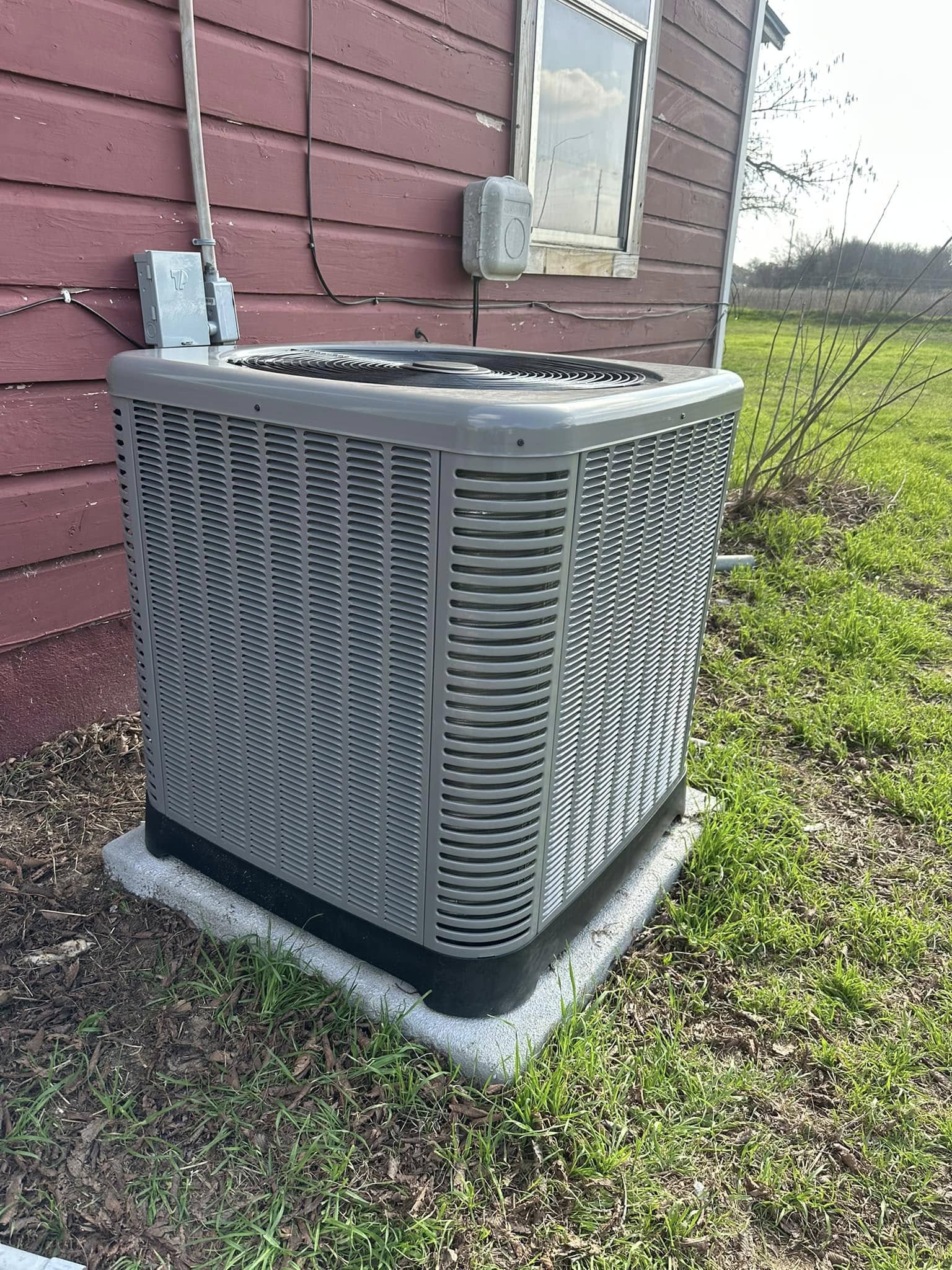
When it comes to air conditioning, the science gets really interesting. Air conditioners utilize a refrigeration cycle, which involves a refrigerant that changes states from gas to liquid and back again. This cycle absorbs heat from inside your home and expels it outside, cooling your internal environment. The effectiveness of your air conditioning process heavily relies on the condition of the system’s components, such as coils and filters, which should be regularly checked and maintained.
Energy efficiency in HVAC systems is not just about the equipment itself but also involves how well your space retains the conditioned air. Factors such as insulation, window integrity, and even paint color can influence a system's efficiency. By improving insulative properties and ensuring your space is well-sealed, you can significantly reduce energy consumption.
Our team at Isaac’s Air is trained to not only keep your equipment running smoothly but also to advise on how best to optimize your environment for energy efficiency. Routine maintenance and timely repairs are pivotal in ensuring your system runs at optimal performance, ultimately saving you money and extending the life of your HVAC components.
In conclusion, understanding the science of HVAC systems gives you the power to enhance their efficiency and longevity. By investing time in learning how these systems work, and by coordinating with expert services like Isaac's Air, you can ensure your climate control system functions seamlessly, offering you the desired comfort while managing energy spend. Don't hesitate to reach out to us for more tips and professional HVAC services tailored to your needs.
/filters:no_upscale()/filters:format(webp)/media/c886a136-f909-4bf9-94a2-14b7cc3a9c47.jpeg)