The Evolution of HVAC Systems: From Traditional to Modern Solutions May 26, 2026
The journey of HVAC systems begins in the late 19th and early 20th centuries, when homes and commercial spaces relied on simple but effective heating methods such as wood stoves and fireplaces. These traditional systems were limited by their ability to provide uniform heating and required constant manual oversight. As urbanization increased, the need for more efficient and automated heating solutions became apparent.
The introduction of central heating in the early 20th century marked a significant advancement. Powered by coal-fired boilers, these systems spread warmth through radiators and introduced the concept of centralized control, drastically enhancing the comfort levels in homes. However, these early systems were bulky, inefficient, and not environmentally friendly.
As innovation continued, the mid-century saw the rise of electric and gas furnaces, which offered cleaner, safer, and more efficient heating. This era also introduced the concept of air conditioning, initially designed for industrial purposes such as controlling the humidity in printing plants. The success of these systems opened doors for residential air conditioning, making them more accessible to the average consumer by the mid-1950s.
Technology continued to evolve with the advent of heat pumps in the latter half of the 20th century. These devices offer a revolutionary approach by moving heat rather than generating it, enabling efficient heating during winter and cooling during summer. This dual functionality, combined with improved energy efficiency, established heat pumps as a sustainable option for many households.
In recent years, smart technology has ushered in a new era for HVAC systems. Modern systems now integrate internet-connected thermostats, allowing homeowners to adjust temperatures remotely via smartphone apps. This offers unprecedented convenience and energy savings, fitting seamlessly into fast-paced modern lifestyles. Furthermore, advancements in HVAC technology have focused on sustainability, with systems designed to reduce greenhouse gas emissions and utilize renewable energy sources.
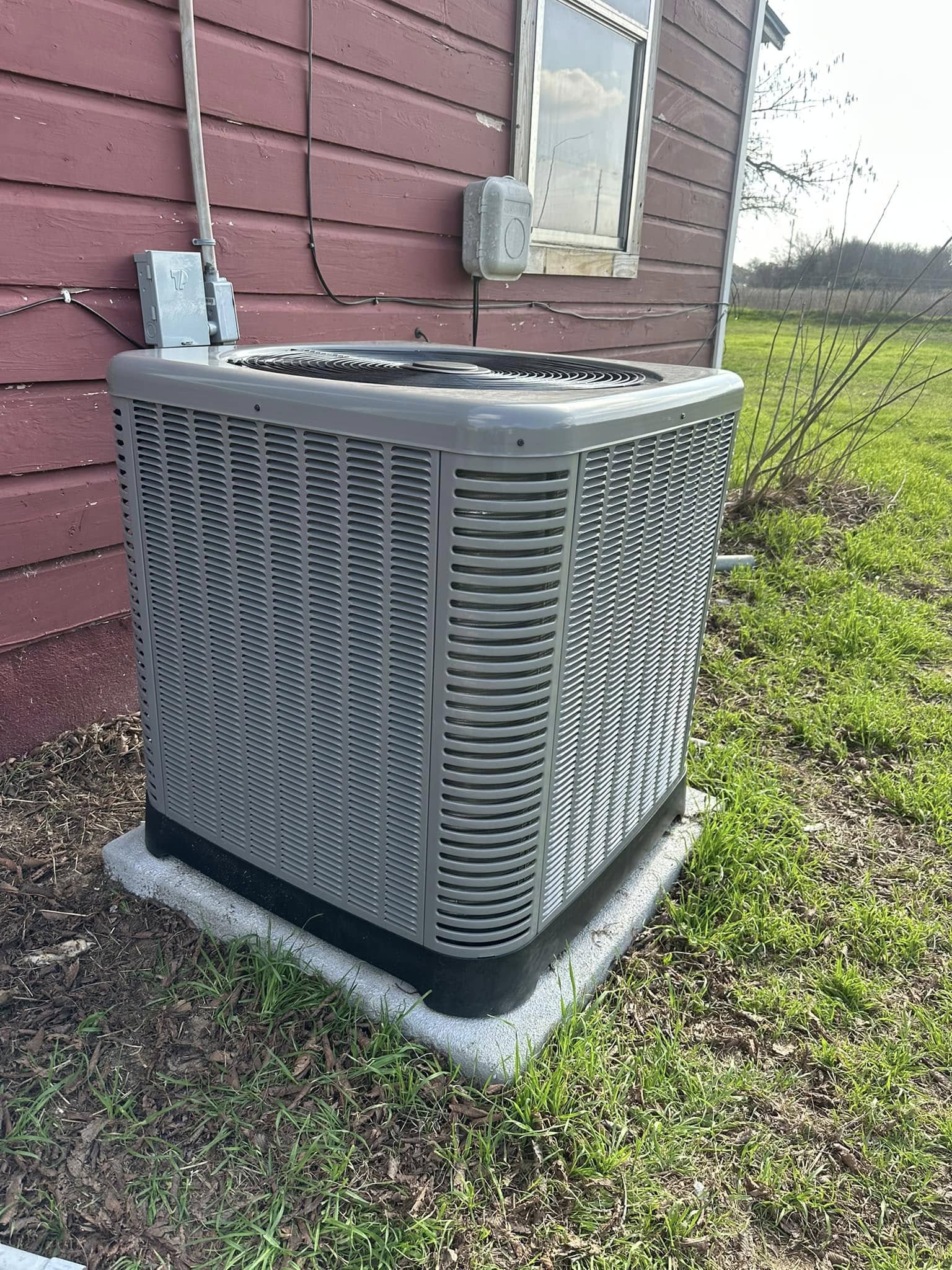
As Isaac's Air continues to provide reliable HVAC services, understanding how these systems work today is crucial for making informed decisions about installations or upgrades. Current systems focus on maximizing energy efficiency, improving indoor air quality, and reducing operational costs. Innovations like variable refrigerant flow (VRF) systems and split systems offer customizable solutions to individual space requirements, which is particularly important for businesses seeking tailored climate control solutions.
The inexorable march of technology ensures that the evolution of HVAC systems will continue, with future advancements likely focused on even greater energy efficiencies and environmentally friendly technologies. As our awareness of environmental responsibilities and the varying demands of urban life grow, so too will our reliance on cutting-edge HVAC solutions.
In conclusion, the journey of HVAC systems from traditional to modern solutions highlights significant technological advancements aimed at enhancing comfort and efficiency. Whether contemplating an upgrade or a new installation, understanding these developments can guide consumers toward systems that deliver optimal performance and sustainability. Isaac's Air is committed to helping you navigate these options, providing expert advice and services tailored to your unique needs.
/filters:no_upscale()/filters:format(webp)/media/c886a136-f909-4bf9-94a2-14b7cc3a9c47.jpeg)