Keeping Your HVAC System in Top Shape: The Essential Post-Storm Checklist Jun 03, 2026
First, ensure safety by turning off the power to your HVAC unit before conducting any inspections. This is vital to avoid electrical hazards, especially if any part of the unit has been exposed to water. Safety should always be the first priority.
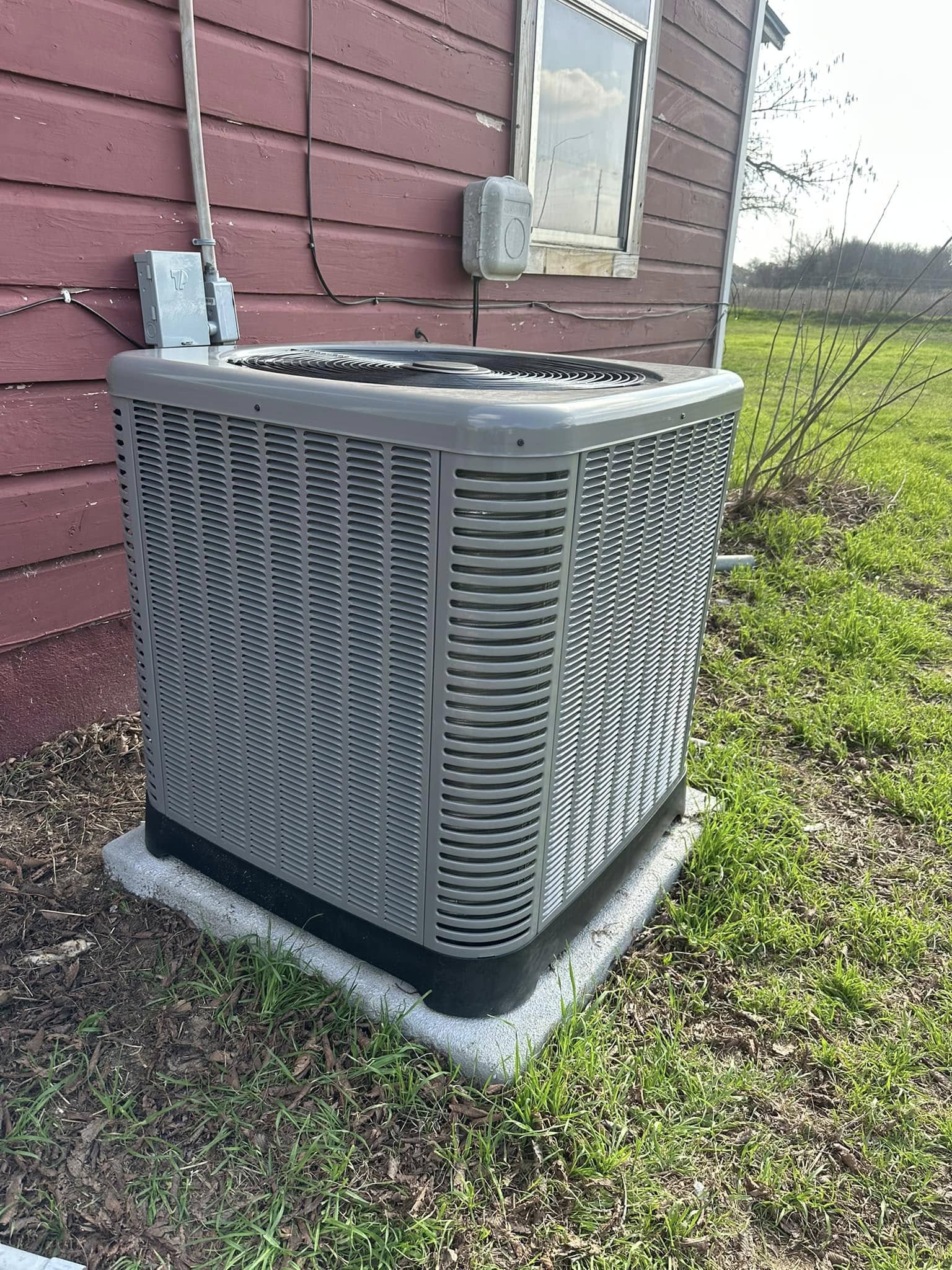
Once it’s safe, visually inspect your outdoor unit. Look for signs of visible damage to the condenser, such as bent or broken fins, which may impact airflow. Check for debris like branches and leaves around and within the unit that might clog its components. Clearing this debris not only prevents mechanical issues but also helps your system function more efficiently.
Next, assess the refrigerant lines and electrical connections. Storm conditions can cause these lines to become dislodged or damaged. If you notice loose connections or refrigerant leaks, it’s wise to contact a professional HVAC technician for repairs. Attempting to fix these yourself without proper expertise could worsen the problem.
Now, inspect your ductwork for leaks or blockages. Heavy winds can cause ducts to shift, crack, or become disconnected. Examine both visible ductwork and pipes that are less accessible for any signs of damage or disconnection. A compromised duct system can reduce indoor air quality and system efficiency, leading to higher energy bills.
In addition, pay attention to unusual noises when you turn the system back on. Gurgling, banging, or whining sounds might indicate internal damage or debris caught in the system. Catching these signs early can prevent extensive damage and costly repairs down the road.
Storms and flooding often lead to increased humidity levels, which can affect indoor air quality. After a storm, consider checking and replacing your HVAC filters. Air filters can become clogged with moisture and debris, impeding airflow and reducing efficiency. A fresh filter can enhance air quality and system performance, ensuring clean air circulates throughout your home.
Moreover, inspect your home’s thermostat settings. Power outages may have reset your thermostat, affecting the temperature settings and scheduled programs. Ensure it is calibrated correctly and functioning as it should.
Routine maintenance not only keeps your system operating efficiently but may also reveal hidden damage caused by storms. If you're not comfortable inspecting your HVAC system or performing these tasks, reach out to a trusted HVAC professional like Isaac’s Air. Our team can conduct a thorough assessment and perform necessary repairs to ensure your system is in peak condition.
To conclude, looking after your HVAC system post-storm is an essential part of home maintenance. By following this checklist, you can prevent minor issues from escalating into major problems and ensure your system provides reliable heating and cooling year-round. Trust Isaac's Air to be your partner in maintaining a comfortable and safe home environment, no matter the weather.
/filters:no_upscale()/filters:format(webp)/media/c886a136-f909-4bf9-94a2-14b7cc3a9c47.jpeg)