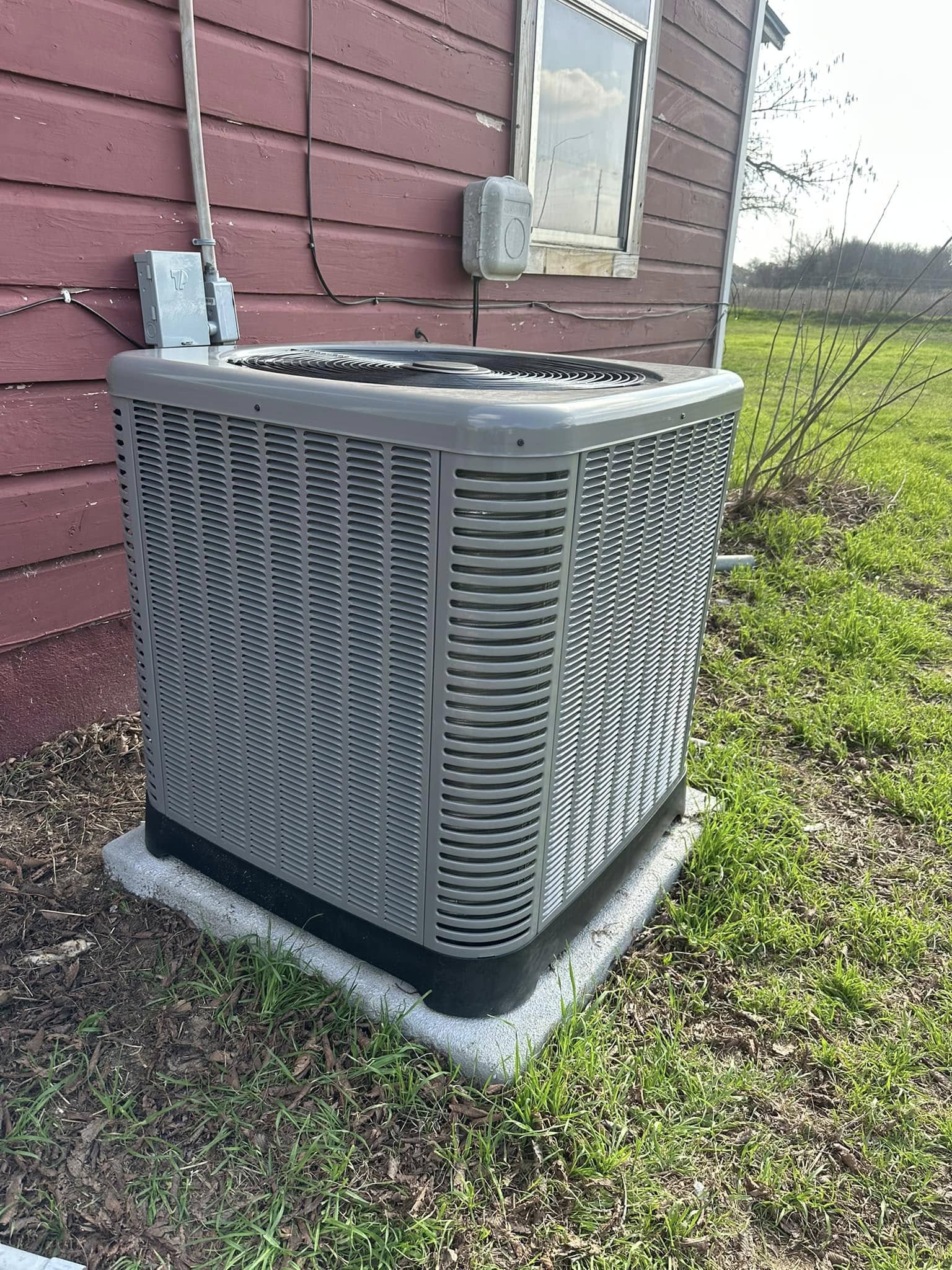
A Comprehensive Guide to HVAC System Replacement Costs and Benefits Mar 10, 2026
Understanding HVAC Replacement Costs
The cost of replacing an HVAC system varies depending on several factors, including the type of system, the size of your home, and your location. On average, homeowners can expect to spend anywhere between $4,800 and $9,300 for a complete system replacement. However, this estimate can fluctuate significantly with higher-end systems reaching up to $15,000.
One major component of the cost is the type of HVAC system you choose. Systems that are more energy-efficient typically have a higher upfront cost but can result in lower monthly utility bills. Additionally, installation expenses, local climate, and any additional labor required (such as ductwork modifications) also contribute to the overall cost. It is advisable to obtain quotes from multiple HVAC contractors to ensure that you are getting a fair price.
Benefits of HVAC System Replacement
Investing in a new HVAC system may seem costly at first, but the long-term benefits are substantial. First and foremost, newer systems boast better energy efficiency, which can lead to significant savings on energy bills over time. HVAC systems with a high Seasonal Energy Efficiency Ratio (SEER) or Heating Seasonal Performance Factor (HSPF) use less energy to heat or cool your home.
Moreover, upgrading to a modern HVAC system can improve indoor air quality. Newer models often include advanced filtration systems that reduce allergens and pollutants, making your living space healthier and more comfortable, particularly for those with respiratory concerns.
Another compelling benefit is the impact on your home’s resale value. Potential buyers often view an updated HVAC system as a desirable feature, thus enhancing your property’s market appeal. A new, energy-efficient HVAC system can be a strong selling point that sets your home apart in a competitive market.
Practical Tips for HVAC System Replacement
Before proceeding with HVAC system replacement, conduct thorough research on the types of systems that will best suit your home’s needs. Considerations include fuel type, size, and any zoning needs specific to your residence. Consulting with a professional HVAC technician can provide insights tailored to your particular situation.
Additionally, be sure to look into financing options and any potential rebates or tax credits available for energy-efficient upgrades. Such incentives can help offset the initial cost, making a new HVAC system more affordable.
In conclusion, while HVAC system replacement can be a significant investment, the benefits—ranging from improved efficiency and indoor air quality to increased home value—make it a worthwhile consideration. By understanding the associated costs and benefits, and taking a strategic approach to system selection, you can ensure that your home remains comfortable and energy-efficient for years to come. For more personalized assistance, the team at Isaac’s Air is available to guide you through every step of your HVAC upgrade process, ensuring you make the most informed and beneficial choice for your home.
/filters:no_upscale()/filters:format(webp)/media/c886a136-f909-4bf9-94a2-14b7cc3a9c47.jpeg)